Some dog ears air themselves out. The ones that stand up catch a breeze with every head turn, and the canal stays dry. Floppy ears and fluffy ears are built differently: a spaniel's long ear flap seals the canal like a lid, and a poodle-type coat grows hair inside the canal itself. In Chester's humid summers, that warm, covered, slightly damp space is exactly where yeast and bacteria thrive.
Ear care at home is simple once you sort the options. Some things belong in a weekly routine, some belong to the groomer, and some signs mean the ear needs a veterinarian before anyone cleans anything. The table below draws those lines.
The options, compared
| Approach | What it does | Best for | Limits |
|---|---|---|---|
| Dry wipe with cotton or gauze | Removes surface wax and moisture from the outer ear | Weekly upkeep for healthy ears | Reaches only what a fingertip reaches, which is as far as you should go |
| Vet-approved ear cleaner | Floods the canal, loosens debris, and has a drying effect as it drains | Waxy ears, swimmers, dogs prone to buildup | Must be a product made for dogs; homemade mixtures can sting and irritate |
| Groomer ear care during appointments | Cleaning plus trimming hair around the canal opening for airflow | Fluffy-eared breeds on a regular grooming schedule | Groomers clean healthy ears; infected ears are veterinary work |
| Veterinary exam and medication | Diagnoses yeast, bacteria, or mites and treats the actual cause | Any ear with odor, discharge, pain, or repeated problems | The only option that resolves an infection rather than tidying around it |
The cleaner technique, for healthy ears, is straightforward: fill the canal with solution until you can see it, massage the base of the ear for twenty seconds or so (it makes a squelching sound when the canal is full), then step back and let the dog shake. Wipe what comes out with cotton. Never push swabs or tools down into the canal; the dog's ear canal bends at a right angle, and what you can safely reach is the outer part only.
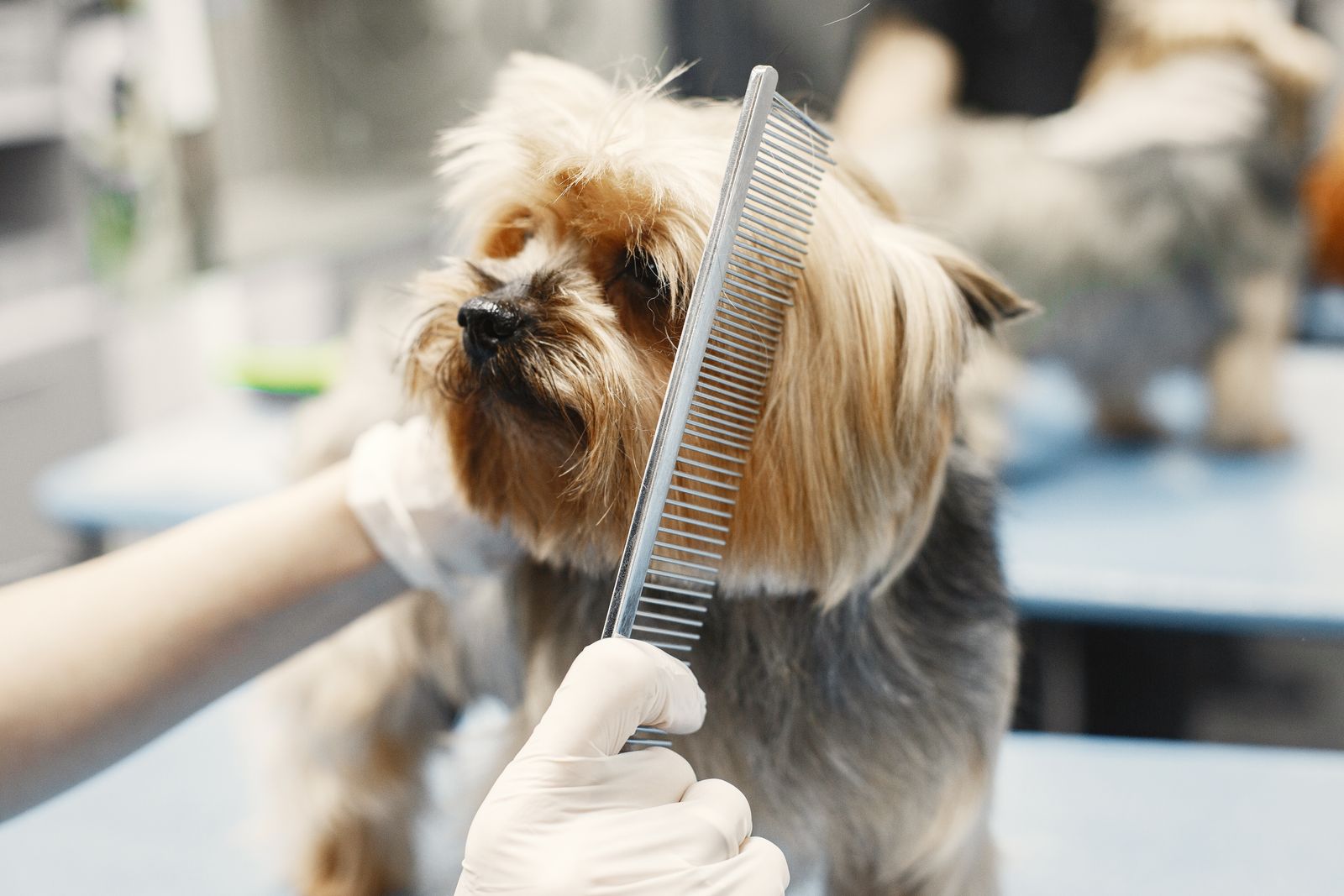
The hair-in-the-canal question
Older practice pulled hair from inside the ear canal as a routine. Current guidance is more case by case. For some dogs, especially those already prone to ear trouble, removing canal hair improves airflow and helps. For others, plucking irritates the follicles and can stir up the very inflammation you are trying to avoid. The practical approach: ask your veterinarian which camp your dog falls into, and have the groomer follow that call rather than treating every fluffy ear the same way.
Signs that mean vet, not groomer
Send the ear to a veterinarian when you notice a strong sweet or sour odor, brown or yellow discharge, redness, head tilting, constant scratching at one ear, yelping when the ear is touched, or a dog that suddenly shakes its head far more than usual. A groomer who finds those signs mid-appointment should stop, leave the ear alone, and tell you, because cleaning an infected ear with routine products can hurt and can push debris deeper.
For Chester dogs, the routine that works is small: a quick look and sniff during weekly brushing, a cleaner rinse after swims and baths (bath water in ears is a common and overlooked cause of trouble), and drying the ear flaps of long-eared dogs when they come in from wet grass. Ears at a salon like Beth's Canine Design get seen regularly as part of grooming, which is often how early wax buildup gets caught before it turns into an infection. Catching it at wax is the whole game.
One more habit helps puppies and young dogs most of all: handle the ears briefly and often from an early age, paired with something pleasant, long before any cleaning is needed. A dog that grows up having its ear flaps lifted and its ears touched as part of ordinary petting accepts real cleaning later without a struggle, and the floppy-eared breeds are exactly the ones that will need that cooperation for a lifetime of weekly checks.
Common questions
How often should I clean my dog's ears?
For most floppy and fluffy eared dogs, check weekly and clean when you see wax or after swimming or a bath. Cleaning a clean ear too often can irritate it, so let what you find set the schedule.
Can I use water or vinegar to clean ears?
Use a cleaner made for dogs. Water left in a canal adds the moisture you are trying to remove, and homemade mixtures can sting, especially if the ear is already sore.
Why does my dog keep getting ear infections?
Recurring infections usually have an underlying driver such as allergies, ear shape, or swimming habits, and they need a veterinarian's diagnosis. Repeated home cleaning treats the mess, not the cause.
Photos in this guide are representative stock images.
← All guides from Beth's Canine Design← Back to Beth's Canine Design