Dogs in Chester get skunked on a rhythm, not at random. Skunks are most active from early spring through fall, they move mostly at dawn and dusk, and their boldest season is mating season in late winter, when they wander widely and spray readily. A household that knows the calendar can do the two things that matter: keep the deskunking supplies on hand before they are needed, and run the first response without a midnight scramble.
This piece treats a skunk encounter the way you would treat storm season: a yearly cycle of readiness, peak-risk months, and a short practiced response.
The year, by skunk risk
| Season | Skunk activity | What to do |
|---|---|---|
| Late winter (Feb-Mar) | Mating season; skunks travel widely and spray most readily | Check your supplies now. Buy fresh peroxide, baking soda, and dish soap, and store them together where you can find them in the dark. |
| Spring (Apr-May) | Mothers with young kits near dens; defensive spraying is common | Leash evening yard trips. Note den sites under decks and sheds and give them a wide berth instead of investigating. |
| Summer (Jun-Aug) | Peak foraging; grubs and fallen fruit draw skunks into yards | Remove outdoor pet food at night, secure trash, and keep the dusk potty trip short and supervised. |
| Fall (Sep-Oct) | Heavy feeding before winter; young skunks dispersing | Stay stocked and stay leashed after dark. Dispersing juveniles are naive and quick to spray. |
| Winter (Nov-Jan) | Lowest activity; skunks den up and emerge mainly in mild spells | Restock anything you used, and check the yard for new denning spots before spring. |
The night it happens: first steps
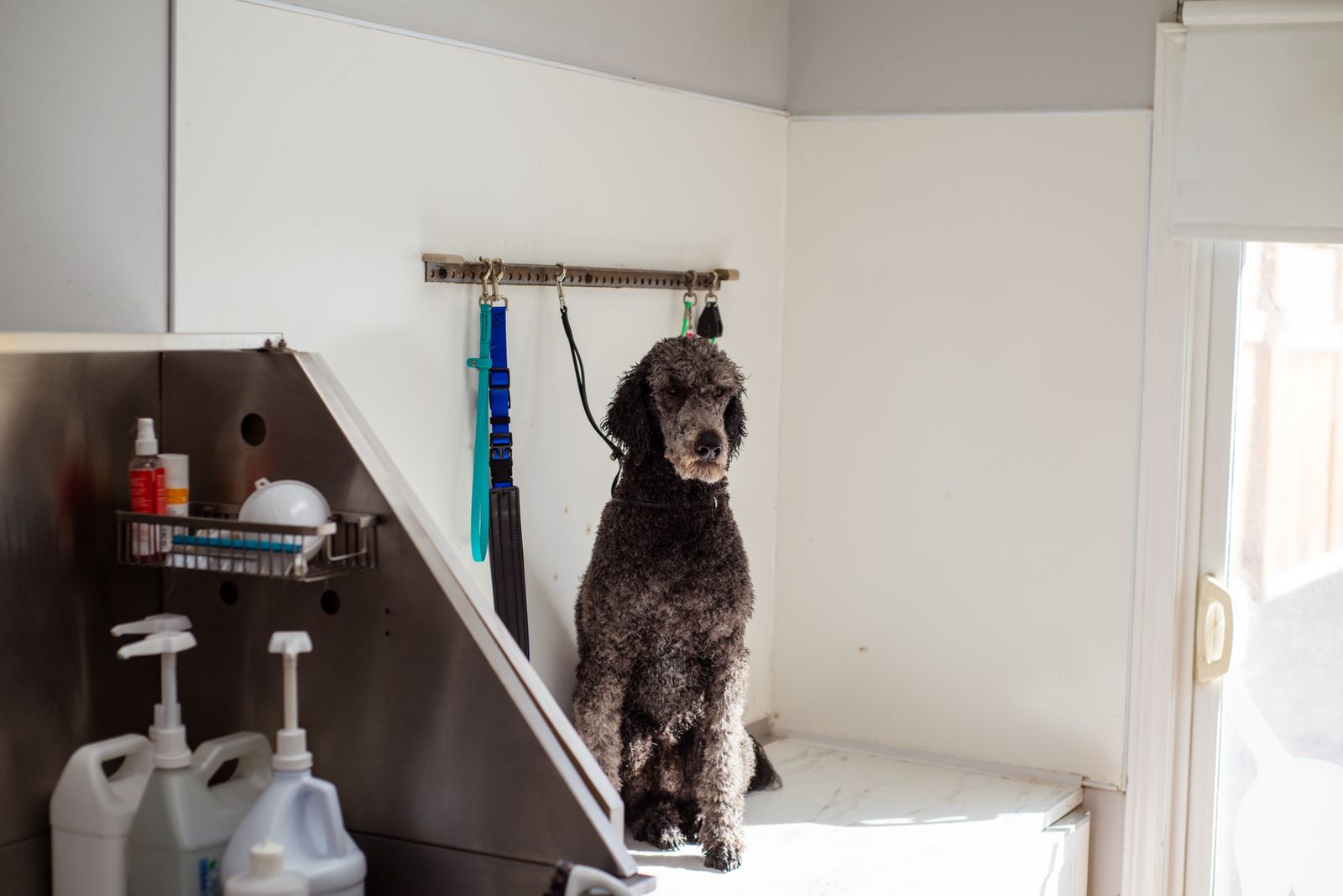
Keep the dog outside or in a garage if you possibly can, because every indoor surface touched before the wash joins the problem. Check the eyes first: redness, squinting, or pawing means a veterinarian call before bathing, since spray in the eyes is painful and occasionally more serious. Then mix the standard wash fresh: one quart of 3 percent hydrogen peroxide, a quarter cup of baking soda, and a teaspoon or two of dish soap, in an open bucket. Never mix it in a sealed bottle, and never save leftovers, because the reaction keeps producing gas.
Work the mixture through the dry coat away from the eyes, let it sit five to ten minutes, rinse well, and follow with a normal dog shampoo and a second thorough rinse. Tomato juice, for the record, does not neutralize anything; it overwhelms your sense of smell while the spray oil stays put. A groomer is worth calling the next day for long or double coats, where spray reaches places a home wash misses, and for the lingering smell that reactivates when the dog gets wet over the following weeks.
Prevention that actually moves the odds
Skunks come to yards for food and shelter, in that order. Feeding pets indoors, securing garbage, and picking up fallen fruit remove the invitations. Motion-activated lights help because skunks prefer to work unobserved, and a fence with the bottom gaps blocked discourages casual entry. If a skunk dens under a deck, do not seal the entrance in spring or summer, when kits may be inside; wait for cooler weather and get advice on humane exclusion. The leash at dusk remains the single most effective habit: almost every skunked dog in Chester was off leash in its own yard, in the dark, doing exactly what it does every other night.
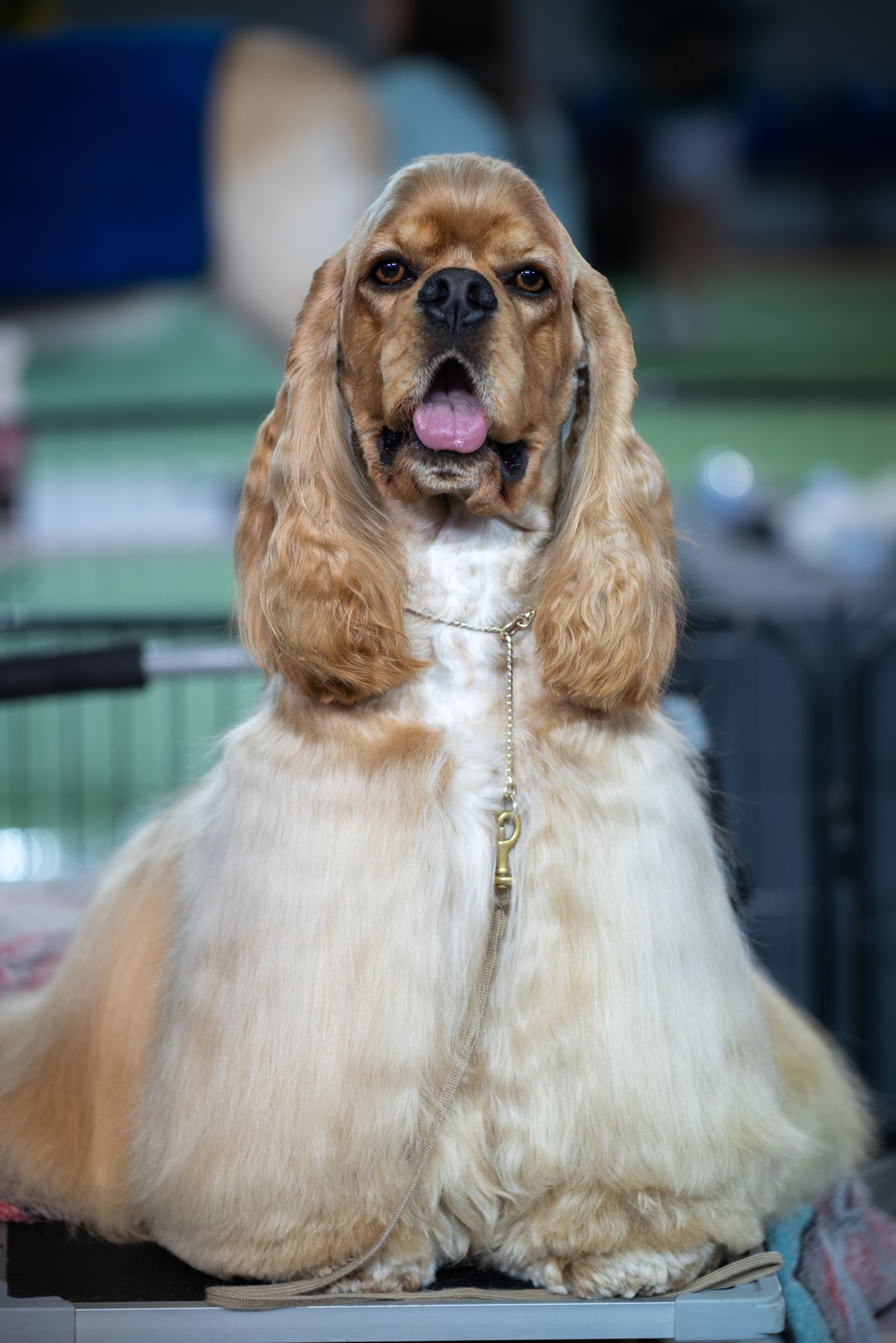
Keep the calendar simple: restock in February, leash at dusk from spring through fall, and treat any encounter as a same-night job, not a morning one. If a skunk night lands on your household anyway, a follow-up professional bath at a salon such as Beth's Canine Design in Chester can finish what the home wash started, especially for the face and chest areas that are hardest to wash safely at home.
Do not forget the collar and bedding in the aftermath. The spray's oil transfers to whatever the dog touched before the wash, and a collar put back on a clean dog can re-dose the neck for days. Wash bedding, wipe crate surfaces, and retire the fabric collar if the smell survives a wash.
Common questions
When is skunk season in South Carolina?
Activity runs from late winter through fall, peaking around the February-to-March mating season and again as young skunks disperse in the fall. Winter encounters happen but are uncommon.
What should I keep stocked for a skunk emergency?
Fresh 3 percent hydrogen peroxide, baking soda, liquid dish soap, and rubber gloves, stored together. Peroxide weakens over time, so replace it each year.
My dog got sprayed last night and still smells after a wash. Now what?
A second wash helps if spray remains in a thick coat, and a groomer's bath and blow-out reaches what home washing misses. Avoid repeated peroxide washes close together, as they dry the skin and coat.
Photos in this guide are representative stock images.
← All guides from Beth's Canine Design← Back to Beth's Canine Design